


Kids Learning Through Play: Easy Methods Every Parent Should Know
- fariha246
- Apr 29
- 3 min read
What Is Kids Learning Through Play?
Learning through play is one of the modern methods of early childhood education. According to the methodology, knowledge and skills are acquired through engaging in games and activities. It means that traditional methods of teaching children should be replaced with more engaging ways to develop cognitive abilities.
Hence, kids learning through play becomes one of the most effective tools for personal growth. UNICEF is among the institutions that advocate the necessity of kids learning through play. The organization argues that the approach positively affects children's physical, psychological, social, and cognitive development.
It implies that children learn how to communicate with peers and develop problem-solving skills. Furthermore, learning through play fosters curiosity and stimulates independent thinking among children. It means that children can remember what they learn more quickly and effectively if the information is presented engagingly. Thus, the approach facilitates students' successful academic performance.
Benefits of Kids Learning Through Play
Learning through play by kids provides many benefits for the development of the whole individual. First and foremost, it positively affects cognitive development by helping children think critically and develop problem-solving skills.
In addition, children who play together develop strong social skills. They can communicate with each other, share information, and collaborate.
These skills help children build healthy relationships with the people around them. Another advantage of learning through play is that it promotes creativity. During games, children can freely imagine and explore different things.
Key Benefits Include:
Promotes problem-solving and critical thinking skills
Fosters effective communication and cooperation
Promotes self-reliance and self-confidence
Facilitates creativity and imaginative play
Facilitates emotional and social development
Moreover, scientific evidence from Harvard University's Center on the Developing Child indicates that playful learning facilitates brain development and lifelong learning skills.
Types of Play-Based Learning Activities
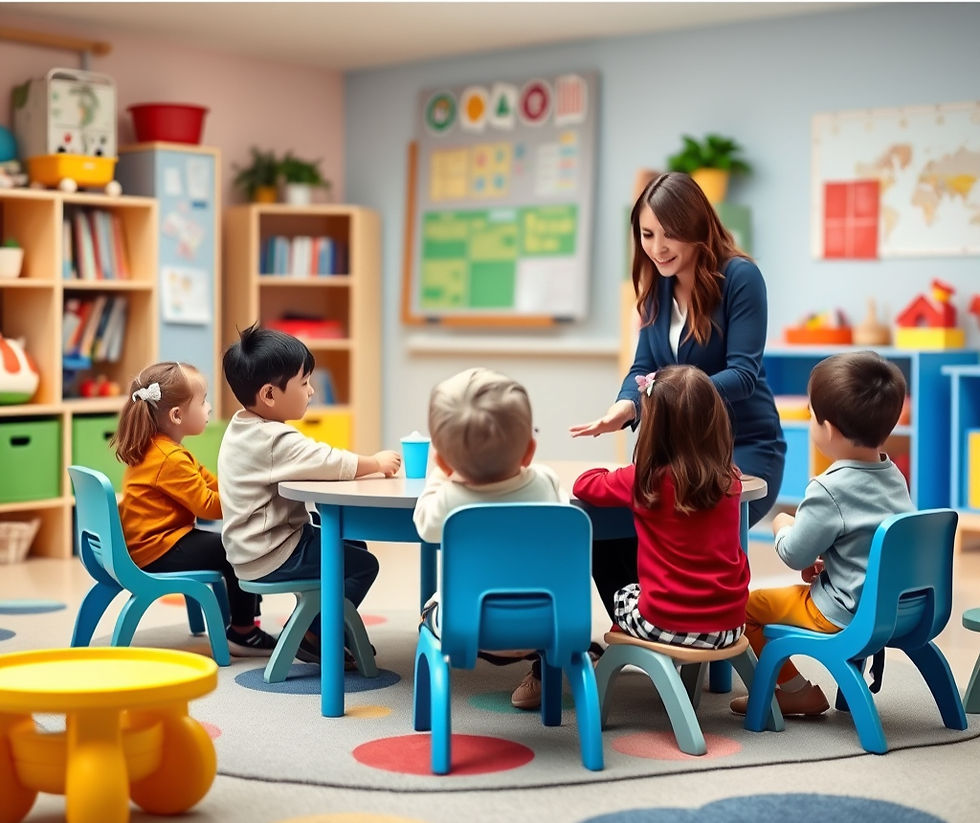
There are various types of activities that encourage kids' learning through play, depending on the skill targeted by the particular activity. This knowledge will help educators and parents design a well-balanced learning environment for children.
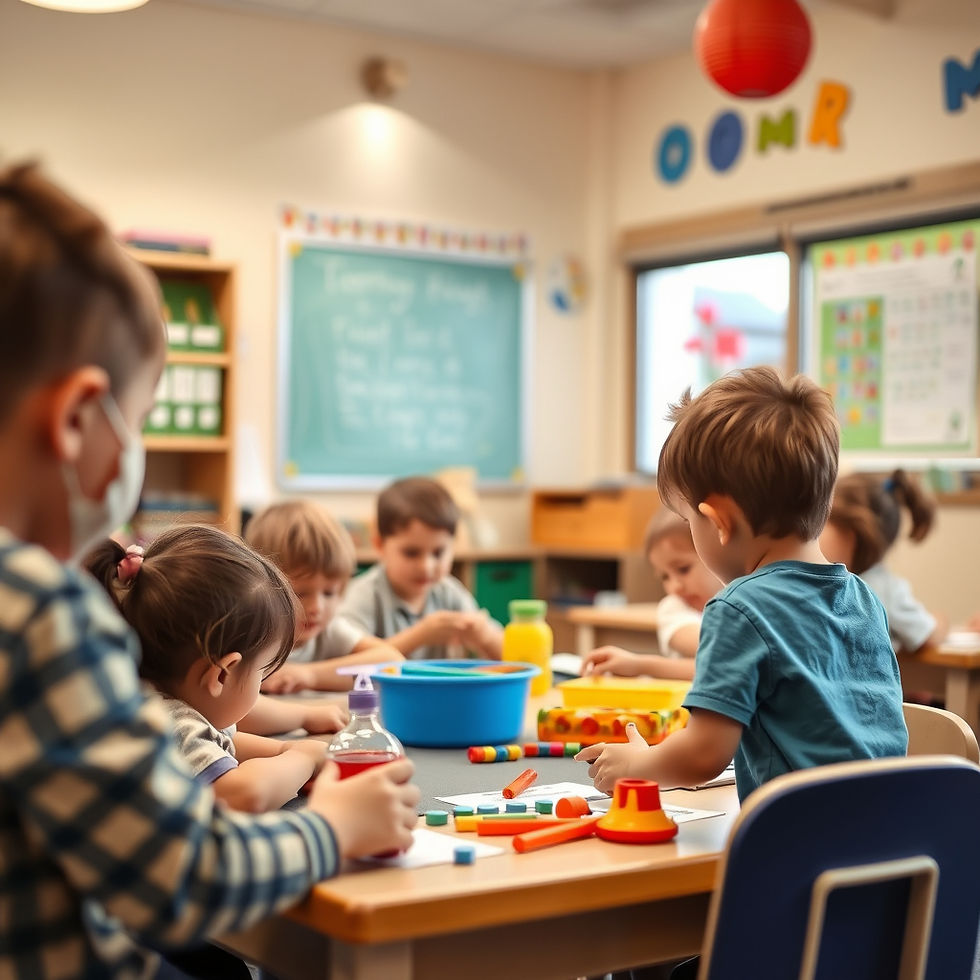
Physically, activities such as running, jumping, and climbing improve a child's motor skills and overall health. On the other hand, artistic activities, such as painting and storytelling, improve imagination and expression. Activities like playing with others enhance social skills and cooperation.
Moreover, educators' educational activities facilitate learning about various topics in an easy-to-understand way. Counting, for instance, teaches basic numeracy, and storytelling teaches language. Overall, kids' learning through play is best achieved by combining the above activities to create a more holistic approach.
How Parents Can Support Kids' Learning Through Play
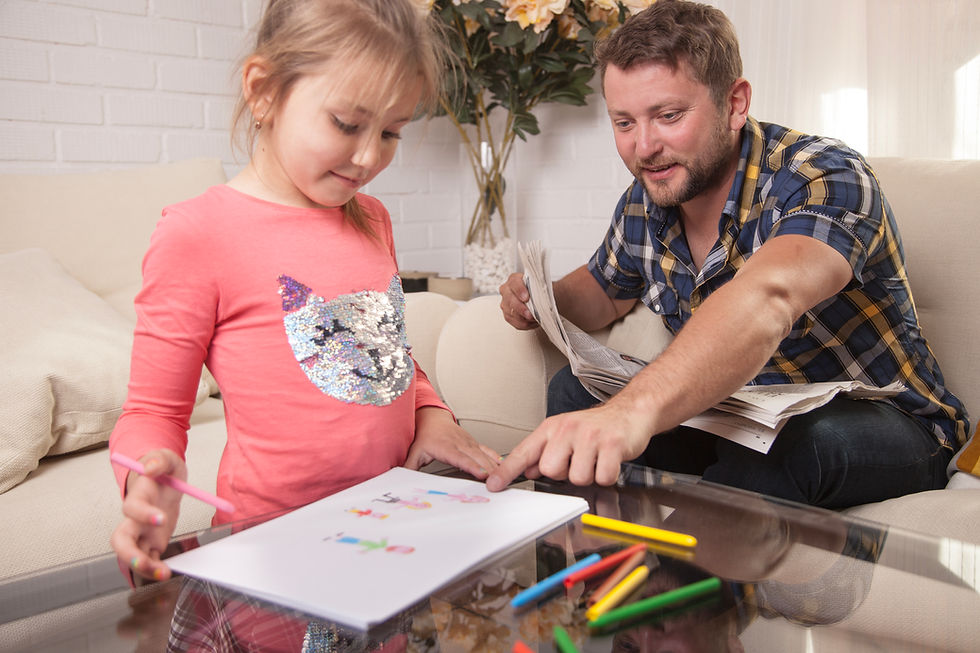
Parents play an essential role in motivating their children to learn through play at home. It is paramount that an appropriate environment be created for the children to explore freely. First, the right toys should be provided to children, toys that promote creative play,
problem-solving, and critical thinking. Building blocks, puzzles, crayons, etc., could be beneficial in this aspect. Second, children should be allowed to lead when playing. Parents may not necessarily engage in all activities, but rather supervise and guide children in the learning process.
Furthermore, spending quality time together in play activities will strengthen their relationships and promote their learning. The CDC confirms the significance of interactive play for children’s healthy growth. The above recommendations can help parents get the most out of kids' learning through play.
FAQs
What are children learning through play?
This is a process whereby children learn through entertainment.
Why is play vital to learning?
It helps foster creativity and problem-solving skills.
Which activities promote learning through play?
Activities such as jigsaw puzzles and group games.
Can parents contribute to this form of learning at home?
Yes, by offering toys and playing along with the child.
Is learning through play an effective way of learning?
Yes, it enhances the child's holistic growth.
Conclusion
Learning through play is very important to early development.
It promotes creativity, self-confidence, and problem-solving.
Such learning can be facilitated through fun activities by parents and teachers.
Generally, it provides a solid foundation for lifelong learning.
Featured Snippet
Child development through play is a form of education in which children acquire knowledge and skills.

Comments